Journal #5

Photo by Kristina Paukshtite on Pexels.com

You meet someone, you go out on a date, you fall madly in love and everything seems to be absolutely perfect. In many relationships that honeymoon stage lasts for short period of time. You become more comfortable with that person and you start being comfortable enough to disagree. Arguments come up more and more, and for many they believe this is the end of the relationship. Those who differ and still have that underlying love for one another and wish for nothing more than to repair and aid in the healing of the relationship, they generally use relational maintenance. “Relational maintenance refers to using communication and supportive behaviors to sustain a desired relationship status and level of satisfaction ” (McCornack and Morrison 304) 

My boyfriend and I have been in a relationship going on two years this coming June, we recently faced a large reoccurring argument that resulted in me throwing out a sudden-death statement and feeling as if all hope of our relationship being repaired was to be lost. He begged and pleaded that we work things out and of all things that made me feel like things could work, it was a Sunday. Every Sunday we played the Sims together to spend time together doing something mindlessly while not being stressed over school, or work and being able to having fun. This is a good example of a family ritual that also doubles as a relational maintenance as we often had conversations calmly about things that happened earlier that week. I realized that by talking to him I could make things better and maybe we could have a higher satisfaction in our relationship. We then had a long talk about everything that we both felt needed to be repaired in our relationship and we have worked out solutions to everything. Relational maintenance can make the difference in love keeping you together or splitting you up.
Journal #4

Photo by Emma Bauso on Pexels.com

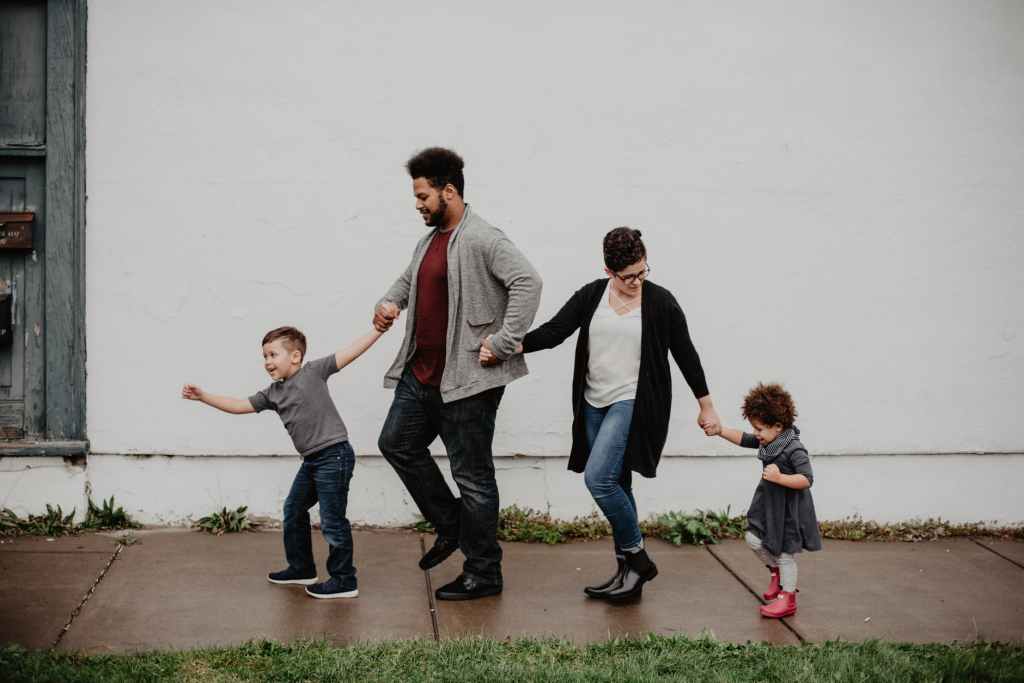
Family is everything! How many times have you heard that growing up? If you are anything like me then you have probably heard it more than you have heard your own name. Growing up I was the only girl out of the four children in my house, and the parental favoritism was clear. “Parental favoritism: whereby one or both parents allocate an unfair amount of valuable resources to one child over others. This may include intangible forms of affection, such as statements of love, praise, undue patience (letting one child “get away with anything”), and emotional support.” (McCornack and Morrison 348) 

My youngest brother was diagnosed severely autistic when I was a child, requiring almost all of my parents attention, and as we were only about four years apart the attention came to him when I needed it most. He only knew how to communicate through sign language as a toddler and would not learn to speak verbally until about age four. He would not eat pretty much anything aside from sweet potatoes, or as he got older, Mac and cheese (but only specific brands). He fell behind in school almost immediately, drawing more and more of my parents time, and by this point now my older siblings time as my parents would be at work or having to go out for groceries, etc. As a child I felt as if I was not worthy of my family’s time and because of this it has caused me trust and abandonment issues. However, I am old enough now to be able to look back at that time and see my parents really just had a lot on their plates trying to take care of four children, three of which had disabilities or special needs. They did their best trying to split up their time, but understandably having to give a majority of their attention to making sure my brother was okay and able to grow up and live the best life he possibly could.

Journal #3

Photo by freestocks.org on Pexels.com

If you have ever been in a relationship then you know that a perfect relationship doesn’t exist. There are fights, conflicts, and even break ups. Sometimes relationships have that one person that just gets so angry and they claim Sudden-death statements “Sudden-death statements occur when people get so angry that they suddenly declare the end of the relationship, even though breaking up wasn’t a possibility before the conflict.” (McCornack and Morrison 277) Unfortunately with my luck, that person is me. Throughout the relationship I am in currently, I can somehow turn any fight into something that has a reason for breaking up. I can turn one teeny tiny detail into something that is a catastrophic and is the end-all-be-all to us.

My boyfriend and I bicker about small things a lot, and I somehow manage to find a reasoning behind it for that to be our sign for things to end. I believe that I do this because if I am pushing someone away and if they leave then I can not feel bad that they left because I initiated it. However, fortunately for me my boyfriend is an amazing, kind, and caring person and when I claim these Sudden-death statements he just ignores them and helps me through what I’m trying to process. He loves me unconditionally and while we both acknowledge this being an issue, he tries his absolute best to try and help me through this because he knows what I am feeling is just lost and confused. When I say these things to him I usually just want him to give me a big hug and just reassure me he loves me because I feel unlovable in these moments, thus why I say these terrible things to him. I am extremely thankful for this man and without him I am unsure where I would be in life. Another thing that I have to thank is the fact I am taking a communications class. Being socially anxious does not let you learn social cues very well, so I’m learning how to deal with my urge to shout these Sudden-death statements with nonviolent communication skills and other ways around this.

Journal #2

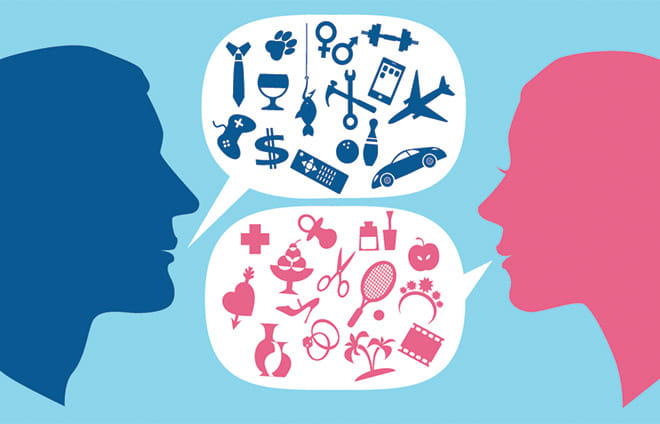
Women in today’s modern society have to face many stereotypes and gender roles. Stereotype meaning “to describe overly simplistic interpersonal impressions.” (McCornack and Morrison 81) and gender roles, “a shared societal expectations for conduct and behaviors that are deemed appropriate for girls or women and boys or men.” (McCornack and Morrison 158) and the idea that women need to have these specific marriageable qualities such as, cooking and baking, hosting, and other household duties. Women also have to live up to specific body ideals and goals, as well as trying to balance their day to day life like school, jobs, and relationships. They have to do these all perfectly as failing to do so made them seem unattractive or like “a mess”.

Personally being the only girl out of the four children my expectations were much different. The pressure of cooking, cleaning, taking care of my grandparents and siblings, even though I was the second to youngest was nearly impossible. If my mother got sick, her responsibilities would fall onto me as no one else knew or even worried about the things that needed to be done to keep the house clean or other necessities that needed to be done. If you were to go and ask a handful of young girls and women if they have been taught about how to do these things or if they currently do them, the majority would agree to feeling as if they are having these expectations or responsibilities. I have faced anxiety, depression, and eating disorders because of these extremely gender biased expectations. As mentioned earlier I was the second to youngest with my oldest brother being ten years older and my second eldest being five, my two oldest brothers rarely had to worry about cooking or cleaning. They generally went to work with my father to assist him in his needs but got paid for helping him, as my mother and I would sit together and do the laundry or bake the cake they have requested, for free. While I’m not saying men do not face hardship and terrible gender roles, this is my personal narrative and my viewpoint to this issue.

Journal #1

Last Friday I had walked into the bathroom at my local WalMart as a transgender woman (male transitioning to female) was walking out. Two men stopped the woman and confronted her and proceeded to tell her she “Needed to use the men’s restroom” as “She” was a man and did not belong in the women’s restroom. Before I could intervene, the woman boldly stepped up for herself and told the two men that she did belong and was in fact a woman. She then confidently replied asking if they had nothing better to do with their time aside from verbally assaulting people. While I am glad she was able to stand up to these cruel men, there are many that cannot do this and feel as if they are invalid for their decisions or embarrassed. 

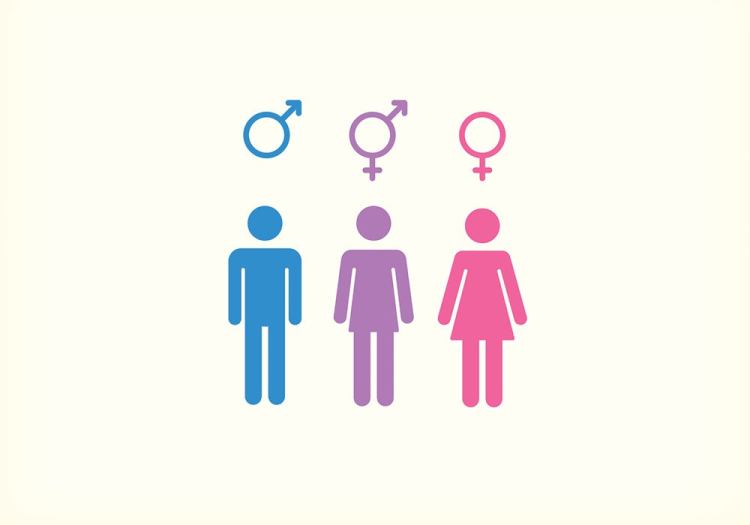
As we learned in the textbook, although “Gender is a broader term encompassing the social, psychological, and behavioral attributes that a particular culture associates with an individual’s biological sex.” (McCornack and Morrison, pg. 152) a persons body may not match with their gender identity. “Gender identity is internal to you: it is your deeply felt awareness or inner sense of being a boy, man, or male; a girl, woman, or female; or an alternative, such as genderqueer, gender-nonconforming, or gender-neutral.” (McCornack and Morrison, pg. 151) If your gender designated at birth does not match your gender identity, this may also result in transgender people as well as the above mentioned, causing restrooms to be a highly debated area. I personally believe that the restroom debate is an unnecessary one as those uncomfortable with these people using the bathrooms they desire there are gender neutral ones to choose from.

Design a site like this with WordPress.com
Get started